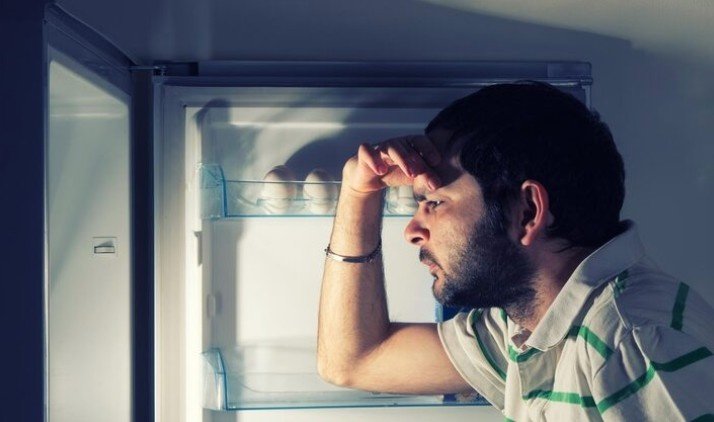
You open the fridge and the light comes on. That tells you the unit has power. But then you touch the shelf, and the food feels warm. At that point, the problem usually sits in the cooling system, airflow path, or control components, not the light circuit.
This issue shows up often in Fallbrook homes, especially during warm months when refrigerators work harder and small problems turn into bigger ones fast. The good news is that you can check several things yourself before you call for service. Many causes are simple, but some point to a fan, thermostat, or compressor issue that needs a pro.
Use this guide to isolate the problem, protect your food, and decide whether you need a repair visit or a replacement plan.
How a refrigerator cools
A refrigerator does not make cold. It moves heat out of the cabinet. The compressor pushes refrigerant through the system, the evaporator absorbs heat inside the fridge, the condenser releases heat outside the unit, and the fans move air where it needs to go.
The light works on a separate circuit. So a working bulb or LED does not mean the cooling side works. That is why you can have power, light, and a warm cabinet at the same time.
When one part of the cooling chain fails, the fridge often keeps the light on while the food slowly warms. That is why the symptom feels confusing but usually has a clear cause once you inspect it step by step.
First checks you should do right away
Start with the simple stuff. You want to rule out the basics before you think about major parts.
- Check that the fridge is plugged in and the breaker has not tripped.
- Look at the temperature control and confirm it did not get bumped too high.
- Listen for the compressor and fans. A silent fridge is a major clue.
- Open the door and close it slowly. Watch for a weak or broken door seal.
- Unplug the refrigerator for 5 to 10 minutes, then restart it.
If the fridge still feels warm after this reset, you need to move to airflow and coil checks.
If you also hear odd sounds, you can compare what you hear with our guide on what that buzzing sound means for your fridge. Noise plus warm food often points to fan or compressor strain.
Cause #1: temperature setting is too high
This sounds basic, but it is one of the most common reasons a refrigerator feels broken when it is just set wrong.
Your target should usually be:
- Fridge section: 37°F
- Freezer section: 0°F
If your fridge sits above 40°F, food safety drops fast. If the freezer runs too warm, the fridge section often follows because many models use freezer airflow to cool the fresh-food compartment.
What to do:
- Set the control to 37°F.
- Wait 24 hours.
- Use an appliance thermometer to confirm the true temperature.
If the temperature setting is correct and the unit still does not cool, the problem is deeper than the dial.
Cause #2: airflow is blocked inside the cabinet
A refrigerator needs clear air channels. Cold air must move from the freezer to the fridge compartment. If food blocks vents, the air cannot move as designed.
Look for these problems:
- Overstuffed shelves.
- Boxes pushed against vents.
- Food containers blocking the back wall.
- Frozen packages blocking freezer airflow.
Some fridges cool the fresh-food section with air that comes from the freezer. If that path is blocked, the freezer can still feel cold while the fridge side warms up.
What to do:
- Pull items away from the back wall.
- Leave open space around vents.
- Keep tall containers from pressing against air outlets.
- Rearrange shelves so air can move freely.
If your fridge is also building frost, read our guide on how to fix a freezer that is over-freezing with frost buildup. Frost often blocks the same airflow path.
Cause #3: dirty condenser coils
Dirty condenser coils trap heat. When the fridge cannot release heat properly, the compressor works harder and cooling drops.
This problem gets worse in Fallbrook during warm weather because the fridge already fights higher room temperatures. Dust, pet hair, and kitchen grease make the job harder.
Signs of dirty coils:
- Fridge runs constantly.
- Cabinet feels warm on the sides or back.
- Food cools slowly.
- Energy bill creeps up.
What to do:
- Unplug the fridge.
- Pull it away from the wall.
- Vacuum the coils and surrounding area.
- Use a coil brush for stubborn dust.
You can follow our step-by-step guide on how to clean condenser coils and improve cooling for the full process.
If the fridge is older and already giving you cooling trouble, you may also want to read the debate: repair or replace a 10-year-old refrigerator before you spend money on major repairs.
Cause #4: faulty evaporator fan
The evaporator fan moves cold air from the freezer into the refrigerator compartment. If that fan fails, the freezer can still cool while the fresh-food side warms up.
Signs of fan trouble:
- No airflow from the freezer vents.
- Loud grinding or buzzing.
- Warm fridge, cold freezer.
- Fan stops when you open or close the door.
What to do:
- Open the freezer and listen for the fan.
- Check for ice buildup around the back panel.
- Make sure nothing blocks the fan blades.
- If the fan does not spin, call a technician.
This is one of the repairs that often needs a meter test and part replacement. If you see frost at the same time, combine this check with the frost buildup guide above.
Cause #5: door gasket leaks
A worn door seal lets warm kitchen air leak into the cabinet. That air raises the internal temperature and forces the compressor to run longer.
Signs of a bad gasket:
- Door does not close tightly.
- You feel cool air escaping.
- Condensation forms around the frame.
- The gasket has cracks, tears, or hardened spots.
What to do:
- Clean the gasket with mild soap and warm water.
- Dry it fully.
- Check the seal with the dollar-bill test.
- Replace the gasket if it no longer grips well.
A weak seal often looks minor, but in summer it can create a real cooling problem. The fridge may still have light and power, but it loses cold air faster than it can replace it.
Cause #6: defrost problems and ice buildup
If the defrost system fails, frost builds up on the evaporator coils or back panel. That frost blocks airflow and reduces cooling, especially in the fridge section.
Common signs:
- Ice on the back wall of the freezer.
- Very cold freezer but warm refrigerator.
- Fan noise changes because of ice contact.
- Cooling gets worse over several days.
What to do:
- Unplug the fridge.
- Manually defrost it if ice is heavy.
- Check again after restart.
- If frost returns quickly, the defrost heater, timer, or control may be failing.
This is a common path to a service call because the fix often involves internal parts, not just cleaning.
If you want to compare that issue with freezer-specific symptoms, you can also use our article on how to fix a freezer that is over-freezing with frost buildup.
Cause #7: thermostat, thermistor, or control board failure
Modern refrigerators rely on sensors and electronic controls. If one sensor reads the wrong temperature, the fridge may stop cooling at the wrong time or fail to cool at all.
Signs of control trouble:
- Compressor starts and stops in odd patterns.
- Display panel acts normal, but temperatures are wrong.
- Fridge cools unevenly.
- Resetting the unit helps only for a short time.
These parts usually need diagnostic testing. A technician uses resistance checks, live voltage checks, and model-specific fault codes.
If your fridge is under five years old, this kind of failure may still be worth repairing. If it is older and already has multiple issues, you may want to compare repair and replacement costs before moving forward.
Cause #8: compressor or start relay trouble
The compressor is the heart of the cooling system. If it does not start, does not stay on, or loses efficiency, the light can still work while the fridge warms up.
Signs of compressor trouble:
- Repeated clicking.
- Humming with no cooling.
- No sound from the back of the fridge.
- Warm cabinet even after reset.
A start relay problem can sometimes look like a compressor failure. The relay helps the compressor start, so a failed relay can stop cooling even if the rest of the unit has power.
This is one of the more expensive repair paths. In 2026, refrigerator repair often ranges from $200 to $1,000, depending on the part and model. Compressor repair usually sits near the high end of that range.
Cause #9: demo mode or incorrect smart settings
Some newer fridges have demo mode, showroom mode, or special energy settings. In demo mode, the lights and display may work, but cooling stops or runs very lightly.
That can fool you into thinking the fridge has power and should be fine.
What to do:
- Check the control panel manual.
- Look for demo, showroom, or cooling-off mode.
- Reset the fridge using the model’s instructions.
- Test temperature again after 24 hours.
If you have a smart refrigerator, also check the app. A setting change through Wi-Fi or a power event can alter the cooling behavior without an obvious clue at the front panel.
Step-by-step troubleshooting plan
Use this order so you do not waste time.
- Confirm power and breaker status.
- Check temperature settings.
- Reset the fridge for 5 to 10 minutes.
- Clear food from vents and back walls.
- Clean condenser coils.
- Inspect door gaskets.
- Listen for the evaporator fan and compressor.
- Look for frost or ice buildup.
- Check for demo mode on newer models.
- Call for service if the fridge still does not cool.
If you want to cross-check temperature habits for hot weather, our internal article on optimal refrigerator settings for Fallbrook’s summer heat gives you the right target settings for the season.
Repair costs and what they mean in 2026
Repair costs depend on the failed part, model type, and labor time. Basic fixes like a gasket or coil cleaning cost far less than compressor work.
Typical ranges look like this:
- Thermostat or sensor repair: lower to mid range.
- Fan replacement: moderate.
- Control board: moderate to high.
- Compressor repair: high.
If the fridge is over 10 years old and the repair quote gets close to replacement cost, you should compare both options carefully. That is especially true for larger French door and smart models, where parts and labor can climb quickly.
If you want a local disposal path after replacement, see our guide on local recycling centers for old appliances in Fallbrook.
When you should replace instead of repair
You should think about replacement if:
- The fridge is old and already had multiple service calls.
- The compressor fails on an aging unit.
- Repair costs get close to half the cost of a new fridge.
- The unit still cannot hold safe temperatures after a proper diagnosis.
A fridge that loses cooling in the middle of summer can damage food fast. If you are already weighing long-term value, our article on repair or replace a 10-year-old refrigerator gives you a practical framework.
Southern California factors that make this worse
Fallbrook homes deal with heat, dust, and long cooling cycles. That creates a harder job for the refrigerator.
Common local pressure points include:
- Hot kitchens in the afternoon.
- Garage placement.
- Dust on coils.
- Longer compressor run times.
- Higher summer electricity use.
That is why appliance and HVAC issues often connect in this region. If the room stays too warm, the fridge has a harder time recovering even after a minor repair.
How to prevent this problem going forward
Use these habits to keep your fridge healthy:
- Set the fridge to 37°F and the freezer to 0°F.
- Clean coils at least once a year.
- Keep vents clear inside the cabinet.
- Check the gasket every few months.
- Avoid long door openings during hot afternoons.
- Watch for frost, buzzing, or weak airflow early.
If you also want help with broader home comfort issues, Appliance Repair Fallbrook handles both appliance repair and HVAC repair, so you can address the kitchen and the cooling system together.
For a direct appointment, go to the contact page. If you want to learn more about the company first, start with the Appliance Repair Fallbrook homepage.