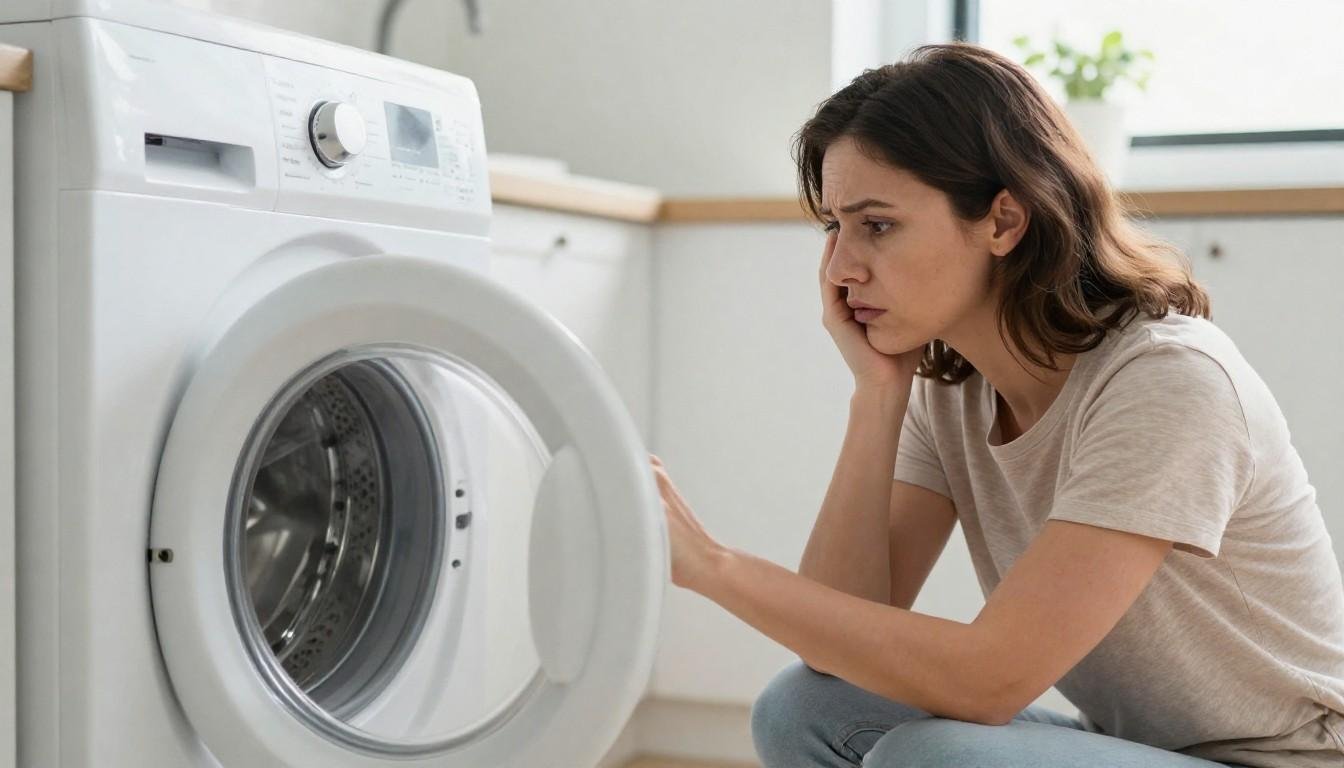
You pull a load of laundry out of the washing machine and catch a musty, damp smell that has no business being on clean clothes. If this sounds familiar, your washing machine probably has a mildew problem, and you are far from alone. It is one of the most common laundry complaints homeowners and business owners deal with, and it tends to show up more often here in Fallbrook, where warm days and hard water team up to make washing machine odors worse than in many other parts of California.
The good news is that a smelly washer rarely means you need a new machine. Most of the time, it is a maintenance issue you can fix yourself, and when it is not, a quick repair usually solves it for good. This guide walks you through why the smell happens, how to get rid of it, and when it is time to bring in a professional.
What Causes That Mildew Smell in Your Washing Machine?
Mildew does not show up out of nowhere. It grows because your washer keeps giving it exactly what it needs: warmth, moisture, and leftover organic material. Once you understand the root causes, the fix becomes a lot more obvious.
Trapped Moisture in the Drum and Door Seal
Every wash cycle leaves some water behind in the drum and around the door seal. If that moisture does not dry out between loads, it creates the damp environment mildew loves, especially if your laundry room does not get much airflow.
Detergent and Fabric Softener Residue Buildup
Detergent and fabric softener do not always rinse away completely. Over time, this residue builds up on the drum walls, the seal, and the dispenser tray, giving mildew something to feed on.
Using Cold Water Cycles Too Often
Cold water saves energy and protects fabric colors, but it does not dissolve soap scum as well as hot water does. If you almost always wash on cold, residue builds up faster and bacteria has an easier time sticking around.
Leaving Wet Laundry Inside Too Long
A forgotten load of wet clothes sitting in a closed washer overnight is basically a mildew incubator. The longer damp fabric sits in a sealed, warm space, the stronger the smell gets.
Closing the Door or Lid Right After a Cycle
Shutting the door immediately after a cycle traps humidity inside the drum. Without airflow, that moisture has nowhere to go except into the rubber seal and the corners of the machine.
Dirty Detergent Dispenser Drawer
The dispenser drawer is one of the most overlooked parts of a washer. Soap and fabric softener residue collects there, and if you never pull it out to clean it, it becomes a steady source of odor.
Blocked or Kinked Drain Hose
A blocked or kinked drain hose can leave standing water inside the machine after a cycle finishes. Leftover water in an appliance almost always leads to trouble. You can see a similar pattern in our breakdown of common causes of a leaking refrigerator, where trapped water is usually the root of the problem too.
Skipping Regular Deep-Cleaning Cycles
Even with good habits, washers need a deep clean now and then to flush out buildup that regular cycles miss. It is the same logic behind cleaning a refrigerator’s condenser coils regularly. Skipping routine maintenance lets residue build up in places you cannot easily see.
Front-Load vs. Top-Load Washers: Why Front-Loaders Smell Worse
If you have owned both types of washers, you have probably noticed front-loaders tend to develop odors faster. There is a real mechanical reason behind this, not just bad luck.
The Rubber Gasket Problem
Front-load washers use a rubber gasket around the door to create a tight seal. That same seal traps water, lint, and detergent residue in its folds, creating a hidden pocket where mildew can grow. A worn or dirty seal causing bigger problems is not unique to washers either, as we cover in our guide to refrigerator seal issues that waste energy.
Why HE Machines Trap More Residue With Less Water
High-efficiency washers use less water per cycle, which helps your utility bill but means less rinsing power. Detergent and softener residue can linger on surfaces instead of getting flushed away completely.
Are Top-Load Washers Really Mildew-Proof?
Top-loaders get more airflow because they do not have a sealed door gasket, which does lower mildew risk. That said, they are not immune. Skipping cleanings or leaving wet clothes inside can still cause odors in a top-load machine.
Is It Mildew, Mold, or Something Else? How to Tell the Difference
Not every bad smell coming from your washer is mildew. Knowing what you are dealing with helps you pick the right fix and avoid wasting time on the wrong one.
Musty or Mildew Smell vs. Sewage or Rotten-Egg Smell
A musty, damp smell usually points to mildew or mold. A sewage or rotten-egg smell is a different issue entirely and often means a plumbing or gas problem rather than a dirty washer.
Visible Black Spots on the Gasket: Mold Warning Signs
If you pull back the door gasket and see black or dark green spots, that is mold, not just residue. Mold needs more aggressive cleaning than a simple wipe-down, and in some cases the gasket needs replacing.
When the Odor Points to a Drainage or Plumbing Issue, Not the Washer
Sometimes the smell is not the washer at all. A slow or clogged drain line connected to your home’s plumbing can send odors back up through the washer drain, especially in older homes.
Gas Odor: When to Stop DIY and Call a Professional Immediately
If you smell gas near your laundry area, stop what you are doing and do not try to troubleshoot it yourself. Leave the area, avoid using any switches, and call a professional right away.
How to Get Rid of Washing Machine Mildew Smell: Step-by-Step Cleaning Guide
Once you know mildew is the culprit, cleaning your washer properly will usually clear it up. Follow these steps in order for the best results.
Step 1: Empty the Drum and Remove All Laundry
Start with a completely empty drum. Cleaning around clothes does not get you a real deep clean.
Step 2: Run a Hot Water Clean Washer or Tub Clean Cycle
If your machine has a dedicated cleaning cycle, use it with hot water. This setting is designed to flush out residue that regular cycles leave behind.
Step 3: Vinegar and Baking Soda Method
Pour two cups of white vinegar into the drum and run a hot cycle. For extra cleaning power, add half a cup of baking soda directly to the drum as well. This combination breaks down residue and neutralizes odor at the same time.
Step 4: Deep Clean the Door Gasket and Rubber Seal
Pull back every fold of the gasket and wipe it down with a vinegar and water solution. This is where most of the hidden mildew hides, so do not rush this step.
Step 5: Clean the Detergent and Fabric Softener Dispenser
Remove the dispenser tray and soak it in warm, soapy water. Use an old toothbrush to scrub out any buildup in the corners before rinsing and drying it fully.
Step 6: Clear the Lint Filter and Drain Hose
Check your washer’s filter, if it has one, and clear out any trapped lint or debris. Inspect the drain hose for kinks or blockages that could be leaving water behind after cycles.
Step 7: Dry the Drum and Seals Completely
Finish by wiping down the drum and gasket with a dry microfiber cloth. Removing that last bit of moisture stops mildew from coming right back.
Cleaning Tablets vs. Bleach vs. Vinegar: Which Actually Works Best?
Vinegar is a solid, gentle option for regular maintenance and will not damage rubber seals over time. Store-bought cleaning tablets are formulated to dissolve detergent buildup and often work faster on heavy residue. Bleach can tackle stubborn mold spots, but check your owner’s manual first, since some front-load models do not recommend it.
How Often You Should Clean Your Washing Machine to Prevent Mildew
A one-time deep clean helps, but staying ahead of mildew means building it into a routine. How often you need to clean depends on how you use your machine.
Recommended Frequency for Front-Load vs. Top-Load Machines
Front-load washers generally need a deep clean once a month because of the gasket seal. Top-load machines can often go a bit longer between cleanings thanks to better airflow, but monthly is still a safe habit.
Signs You’re Overdue for a Deep Clean
If clothes come out with a faint musty smell even after washing, or if you notice a smell as soon as you open the door, it is time for a cleaning cycle. Visible grime around the gasket or dispenser is another clear sign.
Best Practices to Prevent Washing Machine Mildew Smell for Good
Cleaning solves the problem you already have. These habits keep it from coming back.
Leave the Door and Detergent Drawer Open Between Loads
Cracking the door and pulling out the dispenser drawer after each cycle lets moisture escape instead of getting trapped inside.
Use the Correct Amount and Type of Detergent
If you have a high-efficiency machine, use HE detergent and stick to the recommended amount. Overusing detergent, or using the wrong type, is one of the most common causes of residue buildup.
Remove Wet Laundry Promptly
Try to move clothes to the dryer within a few minutes of the cycle finishing. The longer damp laundry sits, the more moisture soaks into the drum and seal.
Run a Hot Cycle Periodically, Even If You Usually Wash Cold
Even if you prefer cold water for everyday laundry, run a hot cycle every couple of weeks. The heat helps break down residue that cold water leaves behind.
Skip Liquid Fabric Softener: Use Dryer Sheets or Wool Balls Instead
Liquid fabric softener leaves a waxy film that mildew clings to. Dryer sheets or wool dryer balls give you similar softness without the residue.
Fallbrook’s Hard Water and Detergent Residue: What to Do Differently
Fallbrook’s hard water leaves mineral deposits behind that mix with detergent residue and make buildup worse than in areas with softer water. For a closer look at how this affects appliances beyond the washer, our guide on how Fallbrook’s hard water damages appliances explains what is happening and what you can do about it.
Laundry Room Ventilation Tips to Keep Moisture From Building Up
If your laundry room does not have a window or vent, run a small fan after wash days or crack the door to the room. Better airflow around the machine, not just inside it, makes a real difference in how fast moisture clears out.
When a Mildew Smell Means It’s Time to Call an Appliance Repair Professional
Sometimes the smell sticks around no matter how thoroughly you clean, and that usually points to a mechanical problem rather than a housekeeping one.
Recurring Odor Even After a Thorough Deep Clean
If you have followed every cleaning step and the smell keeps coming back within days, something inside the machine likely needs attention beyond a surface clean.
Standing Water That Won’t Drain
Water pooling at the bottom of the drum after a completed cycle usually means a drainage problem, not just a dirty machine.
Failing Door Seals, Drain Pumps, or Valves
A worn gasket, a failing drain pump, or a stuck valve can all trap water where it should not be. These parts wear out over time and are not always visible during a routine cleaning.
Mold Growth Behind the Tub or Inside the Drum Assembly
In some cases, mold gets established behind the outer tub, where regular cleaning cannot reach it. This requires a technician to access and clean properly.
DIY Cleaning Cost vs. Professional Washer Repair Cost
A DIY deep clean costs you almost nothing beyond vinegar and some time. A professional repair costs more upfront, but if the smell is coming from a mechanical issue, it saves you from replacing a washer that could easily be fixed.
What Happens During a Professional Washer Odor Inspection
A technician checks the drain system, inspects the pump and hoses, and looks behind accessible panels for hidden mold or standing water. This kind of inspection catches problems a homeowner usually cannot diagnose alone.
Repair or Replace? How Washer Age and Repair History Should Guide Your Decision
If your washer is older and this is not the first repair it has needed, replacement might make more financial sense than another fix. We walk through this same decision in our piece on repairing versus replacing an aging refrigerator, and the logic holds here too: weigh the age of the machine, the repair cost, and how often it has broken down. If you do decide to replace it, our guide to the best appliance brands for coastal and inland California homes is worth a look before you buy, and you can responsibly get rid of the old unit through one of the local recycling centers for old appliances in Fallbrook.
Mildew Smell in Commercial Washers: What Fallbrook Business Owners Should Know
If you run a business that depends on laundry equipment, a musty smell is not just an inconvenience. It is a customer experience problem.
Why Laundromats, Salons, Gyms, and Vacation Rentals Face Higher Risk
Businesses that run washers constantly put more strain on seals and drainage systems than a typical household. Heavy daily use means buildup happens faster and needs more frequent attention.
How a Musty Smell Can Cost You Repeat Customers and Reviews
Guests and clients notice smell before almost anything else. A musty washer, or linens that smell off, can show up in reviews and cost you repeat business fast.
Preventive Maintenance Plans for Commercial Laundry Equipment
Scheduled maintenance catches small issues, like a slow drain or a worn seal, before they turn into bigger repairs or downtime. This matters most for businesses that cannot afford a washer being out of service.
Health Code and Liability Considerations for Businesses
Depending on your industry, mold and mildew in laundry equipment can raise health code concerns. Keeping your equipment maintained protects both your customers and your business. Our community guide to supporting local trades in Fallbrook is a good starting point if you want to see how other local business owners handle equipment upkeep.
How to Prevent Mildew Smell From Transferring to Your Clothes
Even after you fix the washer, you might still have a batch of clothes that smell musty. Here is how to handle that without starting over completely.
Rewashing Musty Clothes the Right Way
Run affected clothes through the hottest cycle the care label allows, without other laundry mixed in. Washing musty clothes with clean ones can spread the smell instead of fixing it.
Odor-Control Detergents and Boosters
Detergents made specifically for odor control, or laundry boosters added to a regular cycle, can help lift mildew smell out of fabric fibers more effectively than detergent alone.
When Musty-Smelling Clothes Signal a Bigger Washer Problem
If clothes still smell musty after a proper hot wash with odor-control detergent, the washer itself is likely still the source. At that point, it is worth having the machine checked rather than continuing to rewash the same load.
If you have worked through these steps and the smell still will not go away, that usually means a mechanical issue that cleaning alone cannot fix. At Appliance Repair Fallbrook, Our technicians handle washer repairs across Fallbrook, along with the full range of home and commercial appliance and HVAC services, and if replacement turns out to make more sense, we will tell you that too. You can see the kind of work we do on our top-rated appliance repair page, or reach out through our contact page to get a technician out to take a look.